Credited work at CHI
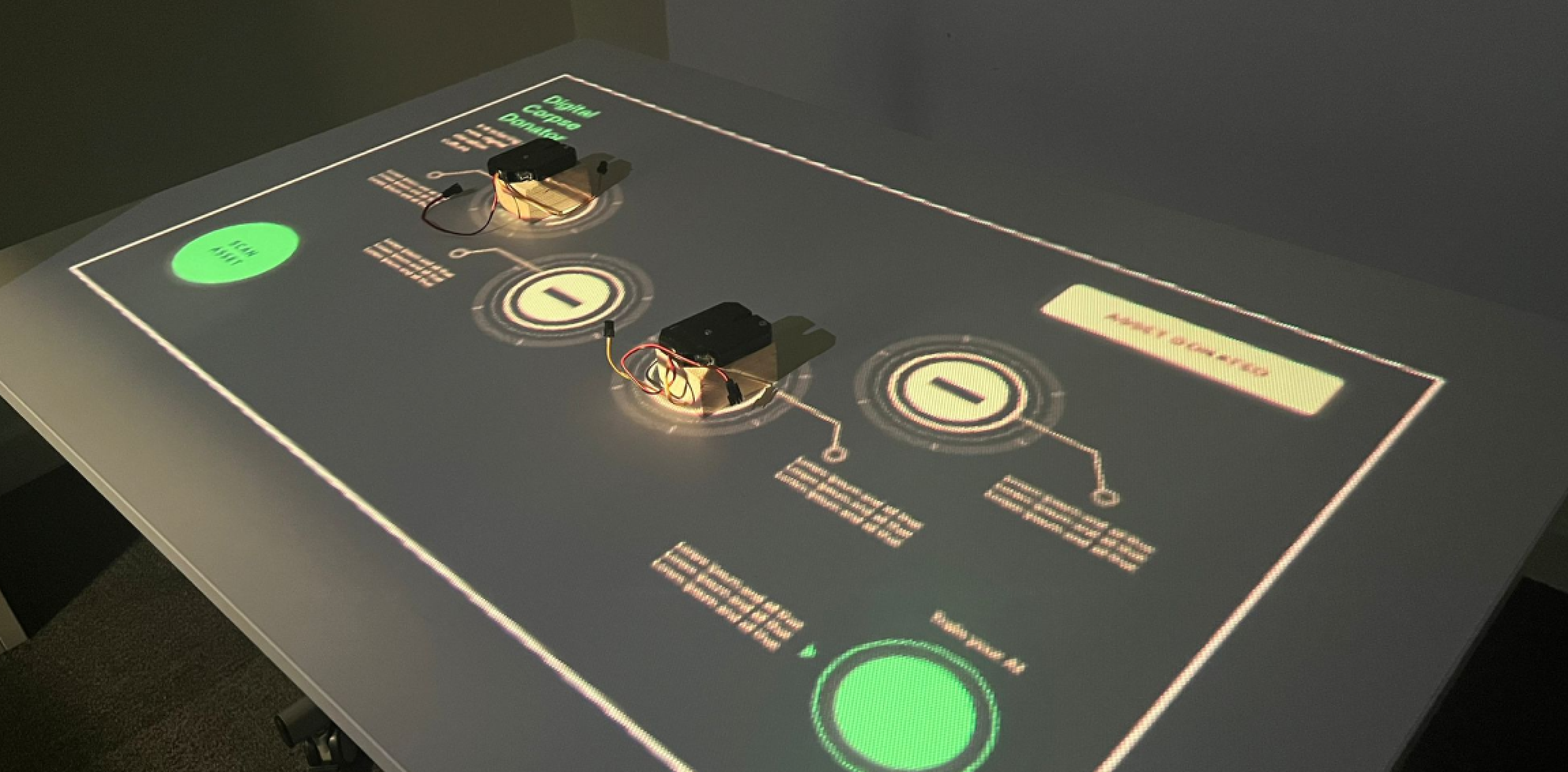
Digital Corpse Donation is a Caring Digital Burial Process. The data trails we leave online form a digital twin, reflecting our personality, memories, and works. While our physical lives end, our data can endure, sparking discussions on digital death, privacy, and time. Humans have rituals for physical death—how can we create digital ones? In collaboration with Axa Health, experts in after-death data consulting, we propose the Digital Corpse Donator, an interactive experience promoting data donation. This encourages preserving meaningful data for institutions while discarding what's unnecessary, fostering awareness of data management, better personal practices, and the role of companies in shaping our digital legacies.
As a insurence company, our client proposed following needs in terms of posthumous data management.
Reduce financial and environmental cost of posthumous data storage. With the exponential growth of digital data, 'abandoned' data from deceased users occupies server storage indefinitely, contributing to energy-intensive data center operations and unsustainable carbon emissions. Inactive data stored in centralized servers increases computational load, directly escalating energy consumption and environmental impact.
Decompose and try to optimize the relationship between data ownership, legal regulation and user trust. A critical conflict also arises between individuals (data creators) and corporations (data custodians) regarding posthumous data ownership. While users generate personal data, platforms often retain control under terms of service, leading to ethical and legal ambiguities in legacy data management. Such conflects casuses dissatisfaction with corporations and current privacy consent mechanisms.
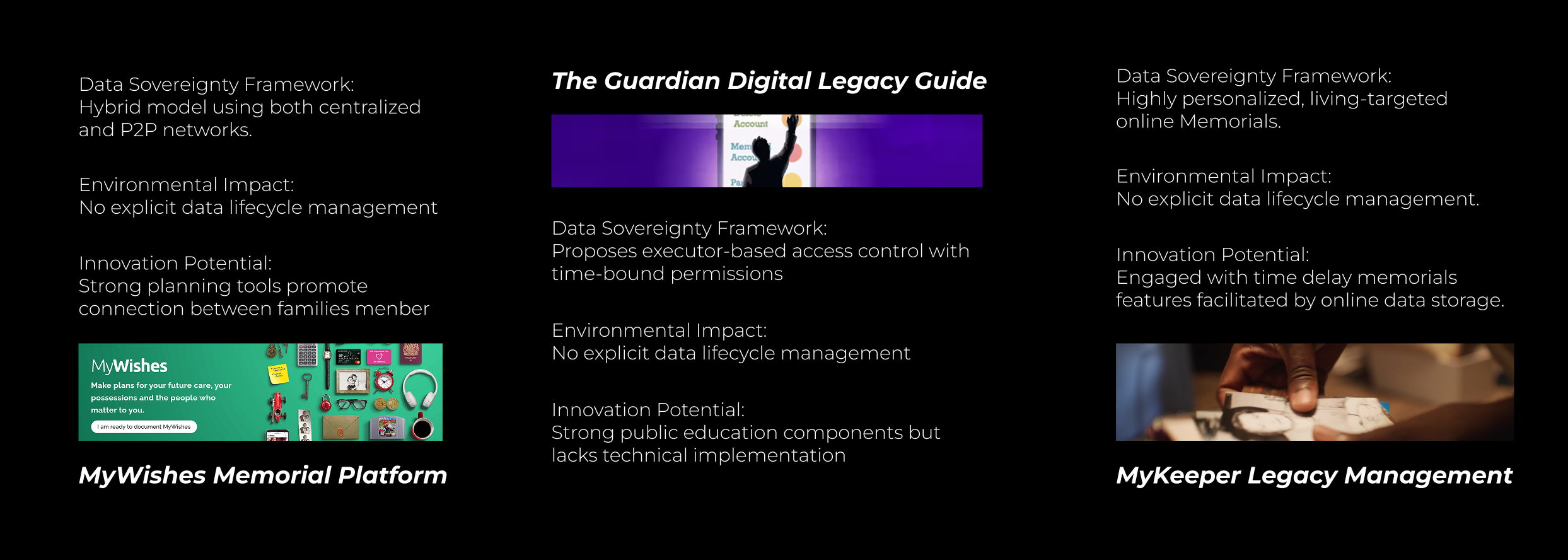
Setup Innovative Data Leadership Framework. AXA Health hopes to establish industry leadership through a advanced and caring distributed posthumous data storage architecture.
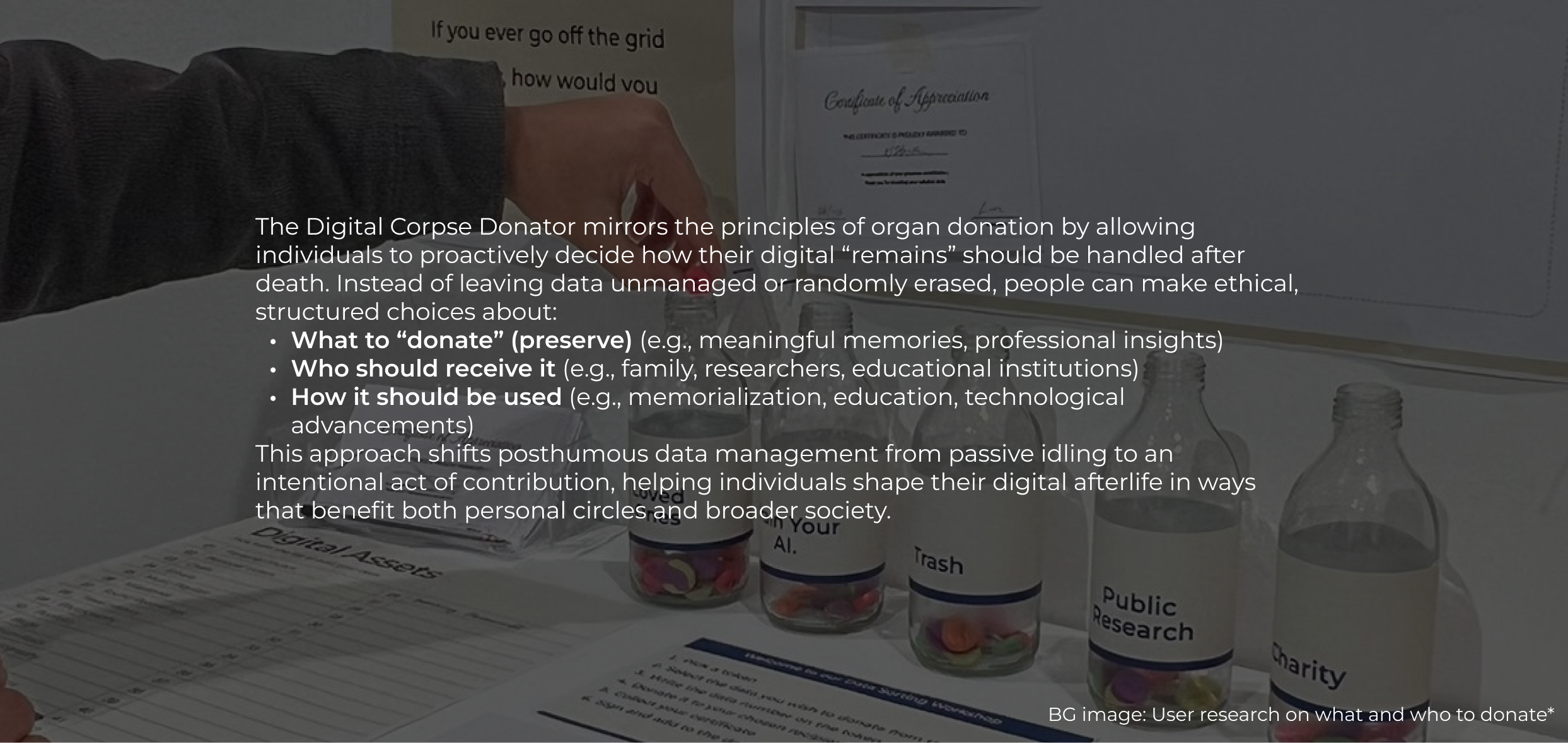
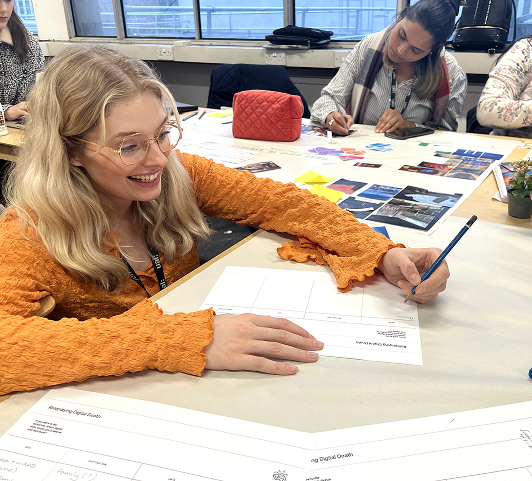
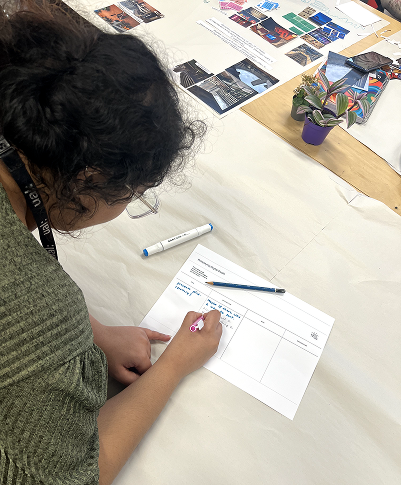
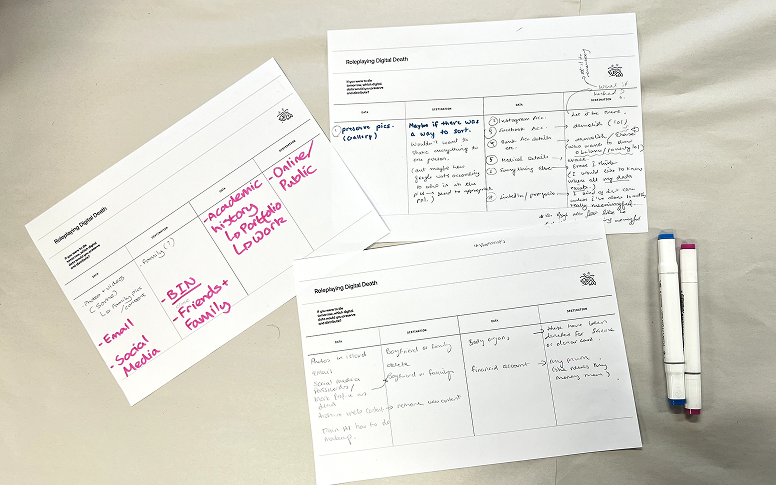
Values represent percentage of users willing to donate specific data types based on research (n=41). Overlap occurs. Data type are concluded reversly and the investigation is conducted under promt:"If you ever go off the grid digitally, how would you preserve and distribute your digital data "
Credited work at CHI